Triple Eight Ford Switch: Biggest Gamble in Supercars?

Triple Eight Racing, the benchmark in supercar racing, is making a bold switch to Ford from Chevrolet starting in 2026. This high-risk reset isn't merely symbolic; it involves a significant technical change and increased operational responsibilities, with the potential to disrupt their dominance. The new platform requires mastering fresh aerodynamic and balance characteristics, alongside in-house management of Ford’s engine program. Though fraught with risk, this move is fueled by ambition, aiming for extended dominance by fostering commercial alignment and engineering autonomy. While the risk involves losing short-term supremacy, the potential long-term benefits mark an evolutionary step for Triple Eight.
- Triple Eight Racing transitions from Chevrolet to Ford for 2026.
- The switch entails major technical and operational challenges.
- The move is driven by ambition to extend dominance despite risks.
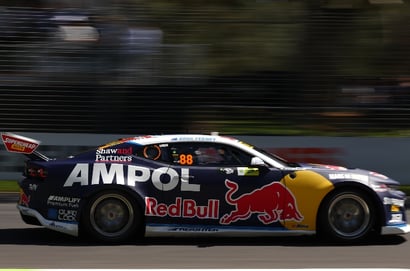
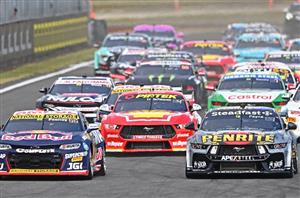
Triple Eight Ford Switch (Photo by Robert Cianflone/Getty Images)
Is the Triple Eight Ford Switch the Biggest Gamble in Modern Supercars History?
- Is the Triple Eight Ford Switch the Biggest Gamble in Modern Supercars History?
- Why the Ford Switch Is a High-Risk Reset for Triple Eight
- Can Triple Eight Maintain Dominance After Changing Manufacturers?
Triple Eight didn’t need to do this. They weren’t rebuilding, scrambling for relevance, or clinging to past success. They were still the benchmark, winning races, collecting championships, executing when the pressure peaked. And yet, heading into 2026, they’ve chosen to step away from familiarity and begin again.
Why the Ford Switch Is a High-Risk Reset for Triple Eight
Switching from Chevrolet to Ford at the height of your competitive powers is not a cosmetic adjustment; it is a structural reset. This isn’t simply a badge change. It means a new aerodynamic platform, different balance characteristics, altered drag profiles, and fresh behaviours in traffic. On top of that, Triple Eight will manage their Ford engine program in-house while also supporting a customer entry is a significant technical and operational expansion.
Supercars is decided by microscopic margins. Brake feel, tyre warm-up, fuel drop-off modelling, ride-height sensitivity, these are areas refined over years of accumulated data. You don’t seamlessly transfer that intellectual property from one manufacturer to another and expect identical results. If the team misses its setup window by even half a percent, the consequence won’t be a minor loss of lap time. It will be track position, and in the Gen3 era, track position is everything.
Can Triple Eight Maintain Dominance After Changing Manufacturers?
There is also the engine question. Bringing that program in-house offers control and long-term upside, but it removes the safety net. If reliability falters early, the narrative shifts immediately from “strategic masterstroke” to “unnecessary gamble.” In a field this tight, early stumbles are amplified.
And the competition won’t wait. Tickford arrive stable. Toyota’s new GR Supra program carries energy and ambition. The midfield is sharper than it has been in years. Triple Eight will not be granted a bedding-in period simply because of past success.
So why do it? Because great teams rarely operate from fear. They operate from ambition. The Ford switch offers commercial alignment, engineering autonomy and the chance to shape the Mustang’s competitive identity from the ground up. If it works, Triple Eight don’t just maintain their position, they extend it.
That is why this move feels so significant. The risk is not falling to mediocrity. The risk is surrendering supremacy, even temporarily. They have traded short-term certainty for long-term control.
History shows dynasties don’t collapse because they evolve. They collapse because they stagnate. Triple Eight have chosen evolution.
Now we discover whether that boldness strengthens their dominance or briefly fractures it.
Related
Top Betting Sites
Betting offers
Upcoming Events
16 September 2026
- Belmont - September 16 -
- Horse Racing
- Launceston - September 16 -
- Horse Racing
- Happy Valley - September 16 -
- Horse Racing
- Viettel FC vs Melbourne Victory -
- Soccer
- AC Milan v Benfica -
- Soccer
- Sunderland vs AZ Alkmaar -
- Soccer
- Man United vs Brighton -
- Soccer
- Marta Kostyuk vs Taylor Townsend -
- Tennis
17 September 2026
- Mornington - September 17 -
- Horse Racing
- Kembla Grange - September 17 -
- Horse Racing
- Adelaide United vs Tai Po -
- Soccer
18 September 2026
- Sydney Swans vs Fremantle Dockers Preliminary Final -
- AFL
Load More