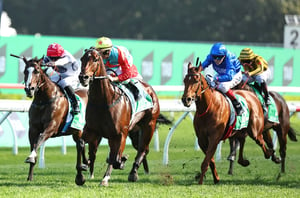
W.S. Cox Plate: Decades of Champions as Moonee Valley’s Era Ends
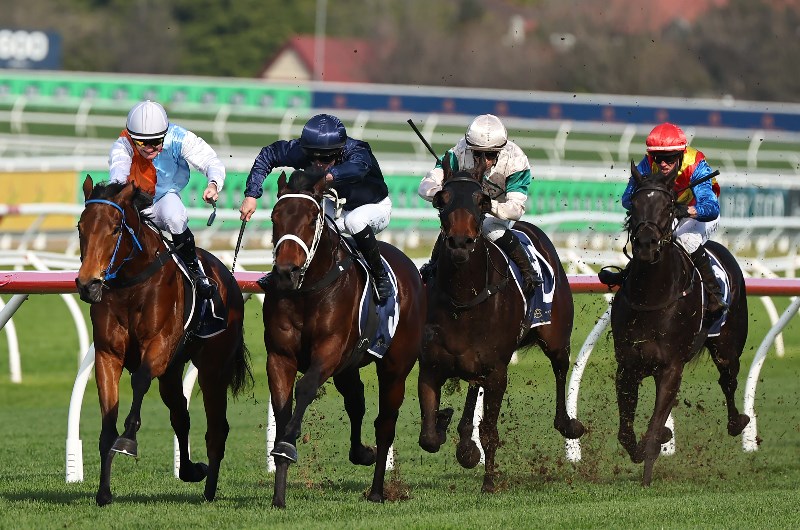
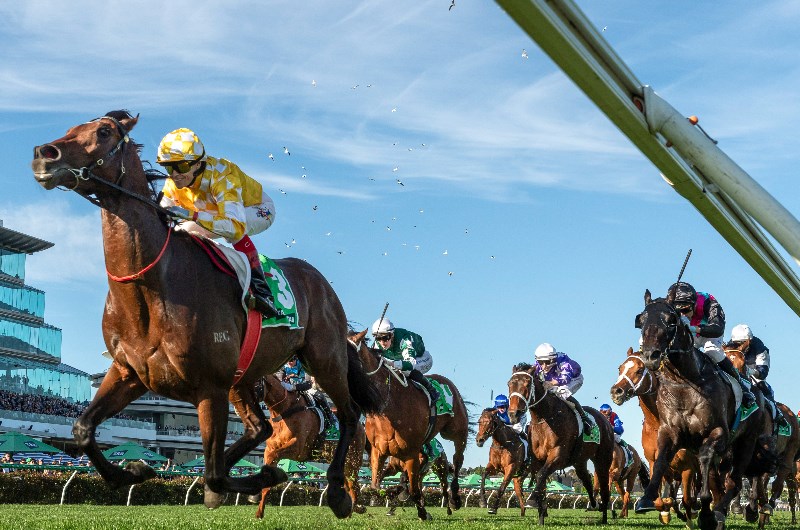
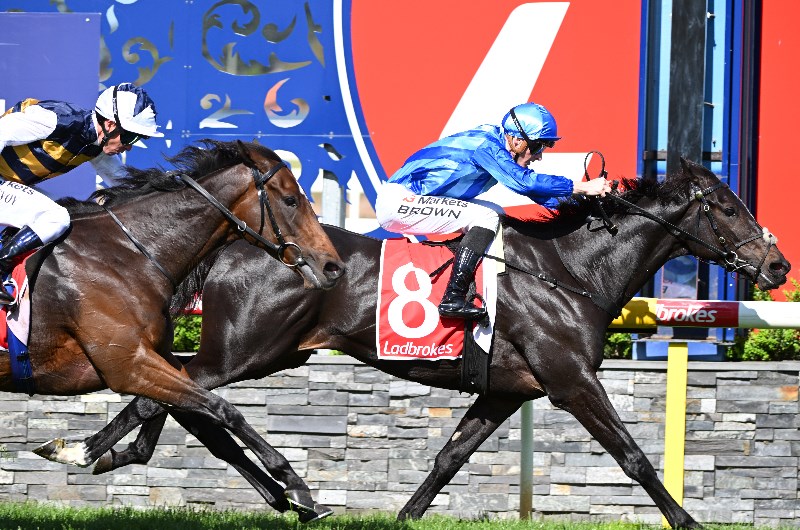
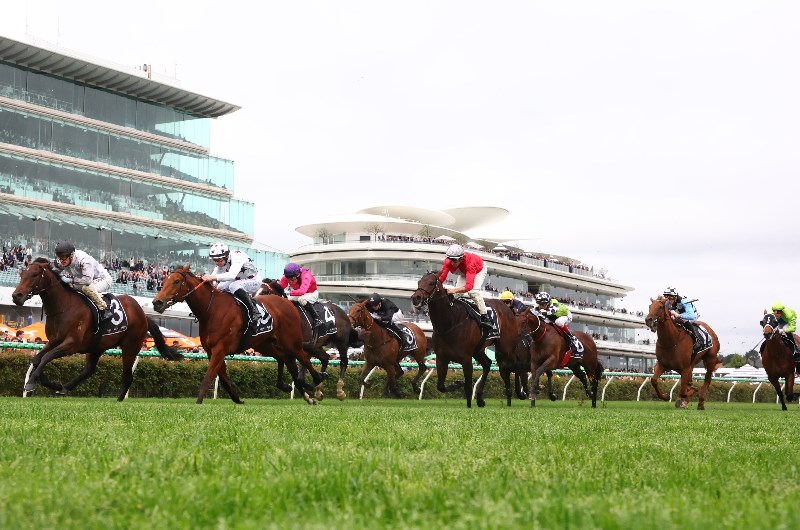
The rich history of the W.S. Cox Plate at Moonee Valley, running since 1922, encapsulates iconic moments in Australian horse racing. From its beginnings in the 1920s, the race has witnessed legendary victories by horses such as Phar Lap, Kingston Town, and more recently, Winx's unbeatable run. Moving through decades, each era highlighted a blend of resilience, talent, and unforgettable races that cemented the Cox Plate's reputation as Australia's premier weight-for-age contest. The imminent transformation of Moonee Valley stands as a backdrop to these historic memories.
- The W.S. Cox Plate has been the pinnacle of Australian horse racing since 1922
- Legendary horses like Phar Lap, Kingston Town, and Winx have defined the race's prestige
- Moonee Valley's transformation marks the end of an era but preserves rich racing history
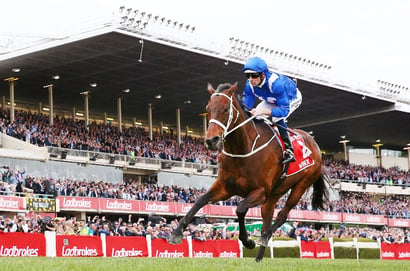
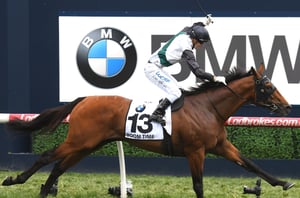
Winx winning the 2018 Cox Plate. (Getty)
The W.S. Cox Plate – Decades Of Champions
- The W.S. Cox Plate – Decades Of Champions
- The 1920s – Cox Plate Beginnings
- The 1930s – The Mighty Conqueror
- The 1940s – Marvellous Mares
- The 1950s and 1960s – Legendary Champs
- The 1970s – Popular Greys and a Tragic Champion
- The 1980s – Kingston Town Can’t Win
- The 1990s – A Golden Era
- The 2000s – From Sunline to Winx
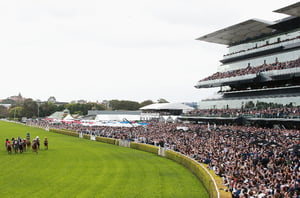
It's the end of a remarkable era as the Moonee Valley we know shuts its doors after the final race on Saturday, with the track and grandstands to be demolished to make way for a whole new experience.
That makes it timely to relive some of the memorable moments from the track's greatest race — the Group 1 W. S. Cox Plate — first run in 1922 in support of the day's feature event, the Moonee Valley Gold Cup.
It wasn’t until the 1970s, under the leadership of legendary racing administrator Ian McEwen and committee member Bill Stutt, that the Cox Plate truly began to earn its place as the country's premier weight-for-age contest.
Though named after Moonee Valley's founder, the race already boasted an outstanding honour roll, with stars of the turf recording memorable victories through every decade.

The 1920s – Cox Plate Beginnings
The first running of the W.S. Cox Plate was a support race to the Cup, but its potential was clear from the start. The Valley of the Kings book quotes the Sun News-Pictorial’s “Vigilant”:
“It seems likely to make a brilliant debut... as most of the best horses in Australia are amongst the 17 acceptors.”
A year later, a Herald scribe declared that “with such a wealth of talent engaged, the W.S. Cox Plate almost eclipses the Moonee Valley Cup in importance.”
Kicking off with an imported winner in Violoncello — who had claimed the previous year's Caulfield Cup — the W.S. Cox Plate quickly became a target for class horses, with the 1925 and 1926 editions won by the quirky champions Manfred and Heroic.
Decades later, Chautauqua would channel their energy; both were notorious for their disdain of beginning races with their rivals, with jockey Frank Dempsey once joking that “only a stick of dynamite could have moved Manfred when he took it into his head to stay at the post.”
Heroic would become the first of only two Cox Plate winners to sire another winner of the race — leading us to the next decade.
The 1930s – The Mighty Conqueror
The legendary Phar Lap, who stands alone in Australian racing history, became the first dual Cox Plate winner. His second victory in 1931 was his penultimate start on Australian soil — the Melbourne (now Champions) Stakes was his last before heading to America.
In 1938, Ajax — a son of Heroic — claimed victory, and it would take decades before another father-son combination, Rubiton and Fields Of Omagh, achieved the feat.
Despite being remembered for a 40-to-1 on defeat, Ajax was a superstar — at one stage winning 18 consecutive Group races and breaking or equalling track records over multiple distances on six occasions.
The 1940s – Marvellous Mares
Three horses recorded dual Cox Plate victories in this decade, including two mares among Australia’s greatest — Tranquil Star and Flight.
Tranquil Star was an iron horse, winning 23 of her 111 starts from 1000m to 2800m, and contesting five consecutive Cox Plates.
Small in stature and cheaply bought, Flight was equally tough. Her second success at Moonee Valley came on a day when two Cox Plates were run — Leonard taking out the other at big odds off a Caulfield Cup last.
It was wartime, and metropolitan racing wasn’t held every weekend, leading to unusually large fields — hence two Cox Plates on the same day for the first and only time.
The 1950s and 1960s – Legendary Champs
New Zealand cricketer Leicester Spring epitomised beginner’s luck when he bought his first horse — Rising Fast.
To this day, he remains the only horse to claim the Caulfield Cup, Cox Plate, and Melbourne Cup in the same year. Such was his popularity that Moonee Valley honoured him with a farewell parade, a band playing The Maori Farewell as he strode down the straight garlanded in flowers.
Six years after Rising Fast, the mighty Tulloch delivered a record-breaking Cox Plate triumph that sealed his remarkable comeback from illness — a win that brought tears to the stoic Tommy Smith.
The flashy and wildly popular Tobin Bronze won in 1966 and 1967, his final start in Australia before heading to the United States a week later.
The 1970s – Popular Greys and a Tragic Champion
For the first time, Moonee Valley Racing Club had as its secretary a man outside the Cox family — the formidable Ian McEwen.
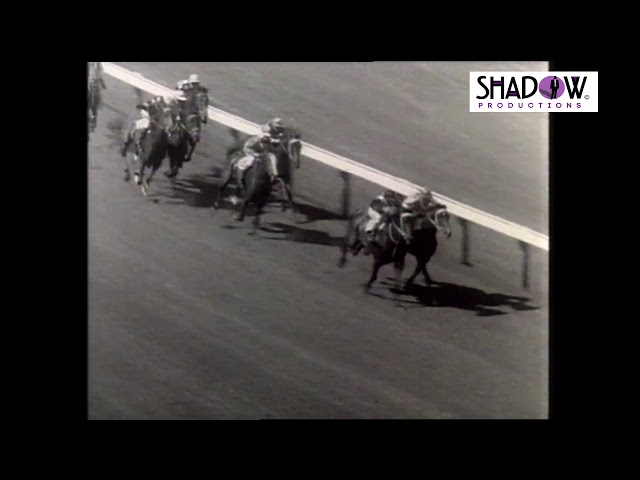
After watching the 1972 Cox Plate, won by the “Goondiwindi Grey” Gunsynd and the adoring crowd’s reaction, McEwen recognised the race’s potential and lifted prizemoney from $30,000 to $75,000 the following year.
Four years later, the high-class grey Surround became the first — and still only — three-year-old filly to win the Cox Plate, and racegoers were again thrilled when Family Of Man dazzled in 1977.
The decade closed with tragedy as the parrot-mouthed champion Dulcify, who had won the Cox Plate by a record seven lengths, was lost just weeks later. He’d packed plenty into a short career — debuting at 330-1, surviving dehydration after a float breakdown in the Nullarbor, and capturing hearts forever.
The 1980s – Kingston Town Can’t Win
The decade opened with three consecutive wins by Kingston Town — the dashing black who became synonymous with Cox Plate greatness, especially after Bill Collins’ unforgettable “Kingston Town can’t win” call.
Just as that seemed unbeatable, the 1986 edition arrived — “the race of the century” — the Bonecrusher/Our Waverley Star duel, capped by Collins’ redemption call:
“Bonecrusher races into equine immortality.”
The following year saw Rubiton’s domination — one of only two Cox Plate winners to sire another winner of the race.
The 1990s – A Golden Era
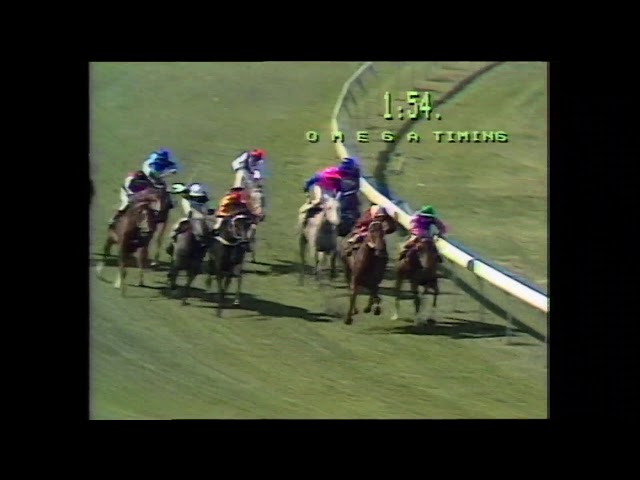
What a spring it was for Better Loosen Up in 1990 — the Feehan, the Turnbull, the Cox Plate, the Mackinnon, and the Japan Cup. His Moonee Valley win, coming from 20 lengths off the leader Stylish Century, remains iconic.
Two years later, injury-plagued but gallant, he returned for a Cox Plate that many still regard as the most astonishing race ever run in Australia.
That 1992 field overflowed with stars, chaos unfolding when Palace Reign fell and brought down Naturalism and Sydeston, as Rough Habit was knocked out of contention — only for eight-year-old Super Impose to produce one of racing’s most famous wins.
Later in the decade came Octagonal, Saintly, and Might And Power — three New Zealand-bred greats — followed by the tough mare Sunline, victorious in 1999 and 2000.
The 2000s – From Sunline to Winx
Fans were spoiled as dual winners became the norm — Northerly in 2001 and 2002, the horse “born without a pulse,” his powerful frame seemingly mismatched to his legs.
Fifth behind Northerly in 2001 was Rubiton’s son Fields Of Omagh, who mirrored Tranquil Star’s five Cox Plate appearances — winning twice, including at his final start at age nine, the race’s oldest winner.
Following that win came Savabeel, further cementing the race’s reputation as a strong producer of future stallions — before one of the races of the decade, when Makybe Diva made her sweeping run past half the field.
So You Think, who passed away this week, made the race his own in 2009 and 2010 — remarkably claiming his first Cox Plate at just his fifth start and his second at his tenth.
And just when it seemed we’d seen it all, along came Winx — four consecutive Cox Plates, an achievement never to be forgotten.
Betting offers
Upcoming Events
21 October 2026
- Geelong- October 21 -
- Horse Racing
- Marta Kostyuk vs Ekaterina Alexandrova -
- Tennis
- Como vs Man United -
- Soccer
- Lorenzo Musetti vs Moise Kouame -
- Tennis
- Bayern Munich v Arsenal -
- Soccer
- Real Madrid v RB Leipzig -
- Soccer
22 October 2026
- Gosford - October 22 -
- Horse Racing
- Ipswich - October 22 -
- Horse Racing
- Mornington- October 22 -
- Horse Racing
- Illawarra Hawks vs Sydney Kings -
- Basketball
23 October 2026
- Tonga vs Lebanon -
- Rugby League
- Brisbane Roar v Perth Glory -
- Soccer
Load More